
When it comes to navigating the elements in style, knowing the difference between weatherproof and waterproof footwear can make or break your comfort—and even your investment. Whether you’re trekking through rain-soaked sidewalks, winter slush, or the occasional muddy detour, choosing the right type of protection matters. Let’s clear up the confusion and dive into what these terms really mean, how to care for your boots, and what kind of lifespan you can expect from each.
Weatherproof vs. Waterproof: What’s the Real Difference?
Understanding Waterproof Footwear and Why Choose Weatherproof Footwear
Waterproof Footwear:
- Designed to keep feet completely dry, even when submerged in water or exposed to heavy rainfall.
- Constructed with sealed seams, waterproof membranes (like Gore-Tex or eVent), rubber or treated leather uppers.
- Ideal for heavy-duty conditions—think hiking in torrential downpours or trudging through snowbanks.
Why Choose Weatherproof Footwear?
- Weatherproof Footwear:
- Built to handle moderate exposure to the elements: rain, light snow, and cold, without full submersion.
- Materials may include treated leather or synthetic uppers with water-resistant finishes but without fully sealed interiors.
- Better for everyday city wear where comfort and breathability are important alongside some weather resistance.
Bottom line: Waterproof is your go-to for maximum defense. Weatherproof keeps you dry and comfortable under typical conditions without the bulk or stiffness of full waterproofing.
Maintenance: Keeping Your Boots in Peak Condition
Regardless of which type you own, maintenance is key to extending the life and performance of your footwear. Here’s how to care for them properly:
For Waterproof Footwear
- Clean Regularly: Remove dirt, salt, or mud after each use. Use a soft brush or damp cloth.
- Condition and Protect: Use leather conditioners that are safe for waterproof membranes and apply waterproofing sprays periodically.
- Air Dry Only: Never place near direct heat. Stuff with newspaper and let dry at room temperature to avoid material breakdown.
- Check Seams and Membranes: Look for peeling or cracks in the waterproof lining. Reapply seam-sealant if needed.
For Weatherproof Footwear
- Brush and Wipe Down: After exposure to dirt or moisture, clean with a damp cloth. A suede brush works well for textured materials.
- Apply Protective Sprays: Weatherproof coatings wear off with time. Reapply water-repellent spray every few months, especially before wet seasons.
- Condition Leather: Use a nourishing leather balm to maintain flexibility and prevent cracking in drier climates.
- Rotate Wear: Allow boots to rest between wears to prevent moisture buildup and odor.
Pro tip: Even weatherproof leather can become waterproof-like with proper treatment and care—though it may sacrifice some breathability in the process.
Lifespan: How Long Should They Last?
A well-made pair of boots, whether waterproof or weatherproof, can last several years—if not longer—when properly cared for. Still, their lifespan varies based on materials, use, and upkeep.
- Waterproof Boots:
- Average lifespan: 3–5 years of frequent use under rugged conditions.
- Indicators of wear: Leaking seams, cracked soles, or degraded membranes.
- Extend life by: Resoling, replacing insoles, and reapplying waterproof treatments.
- Weatherproof Boots:
- Average lifespan: 4–7 years with regular city wear or casual use.
- Indicators of wear: Faded finish, water staining, diminished grip.
- Extend life by: Regular conditioning, cleaning, and rotating pairs seasonally.
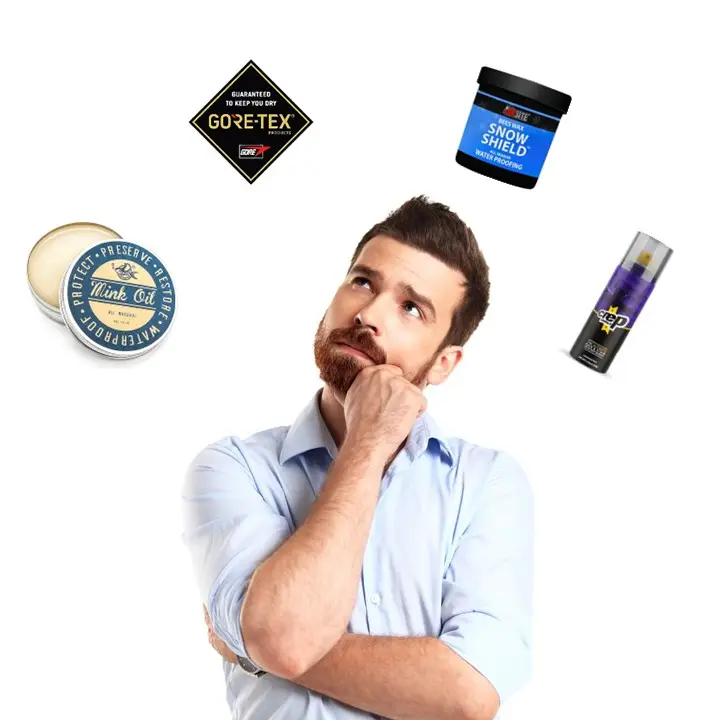
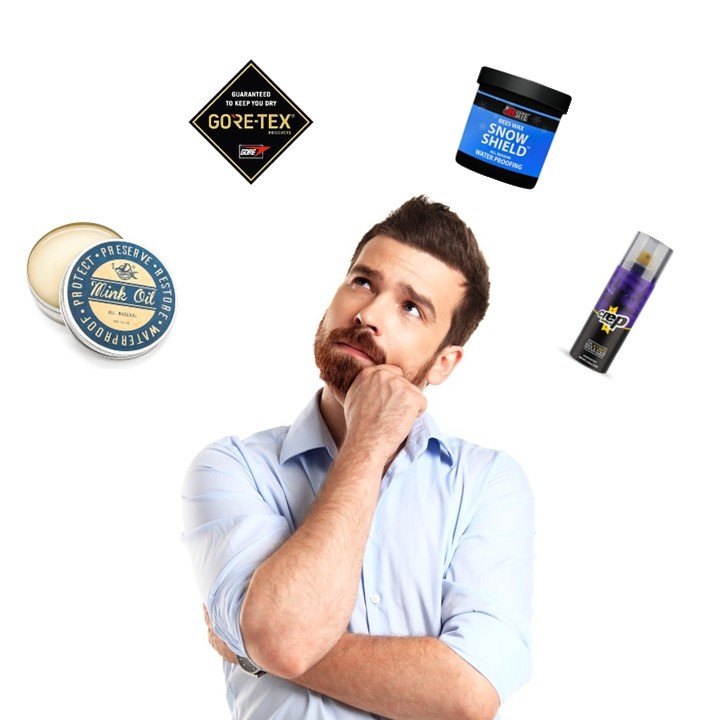
For both types, investing in quality craftsmanship—think Goodyear-welted soles or premium leathers—can dramatically increase durability and repairability. Also remember to use mink oil on shoes or boots that you need to be waterproof.
Which One Is Right for You?
Choosing between weatherproof and waterproof depends on lifestyle, climate, and personal style:
- If you’re a commuter in a rainy city who values breathability and comfort, weatherproof boots offer everyday practicality without sacrificing style.
- If your adventures regularly involve puddles, snow, or extended time outdoors, waterproof boots give you the confidence to brave the worst. Also, remember, practically all waterproof or weatherproof shoes or boots have insoles that can be taken out. If you desire to use your own or inquire about insoles or orthotics for your footwear just CLICK HERE.
So, here is where I give you 5 by 5. Sharp & Splivie’s 5 best waterproofs as well as 5 best weatherproofs;
- Jousen Mens Warerproof Leather Dress Boots for Mens
- Rockport Men’s Taylor Waterproof Wingtip Oxford
- Holy dove Mens Waterproof Non-Slip Business Boots for Men
- SOREL Men’s Caribou Waterproof Boot
- Columbia Men’s Bugaboot III Snow Boot
- HULOOK Non Slip Waterproof Food Service Chef Kitchen Restaurant Working Boots
- Vostey Men’s Water Resistant Motorcycle Combat Ankle Dress Boots Mens
- Columbia Water Resistant Men’s Fairbanks Low Shoe
- Johnston & Murphy Men’s Water Resistant Danridge Cap Toe Shoe
- Johnston & Murphy Upton Water Resistant Chukka Boots for Men
Well, What if I’m a DIY kinda guy?
Great question! And here’s your answer:
- SALTY FISH Mink Oil for Leather Boot Waterproofing
- Crep Protect Shoe Protector Spray
- Aquaseal Leather Waterproof Cream
- NANOMAN Fabric Waterproof Spray (One of my reccomendations. Great for suede and espadrille summer shoes)
- Care & Cool Maximum Protection for Your Suede and Nubuck
Ultimately, great boots should age with you—not against you. When properly chosen and cared for, both weatherproof and waterproof footwear become reliable allies through seasons of wear, shifting style trends, and unpredictable forecasts.
Need help selecting the right pair or care products to match your rotation? I’d be happy to guide you step by step.